
Sazgar is taking Pakistani manufacturing abroad
After building three-wheeler and electric-vehicle manufacturing in Pakistan, Sazgar has opened its first overseas plant in the Philippines, with local partners and a foothold in the ASEAN market.
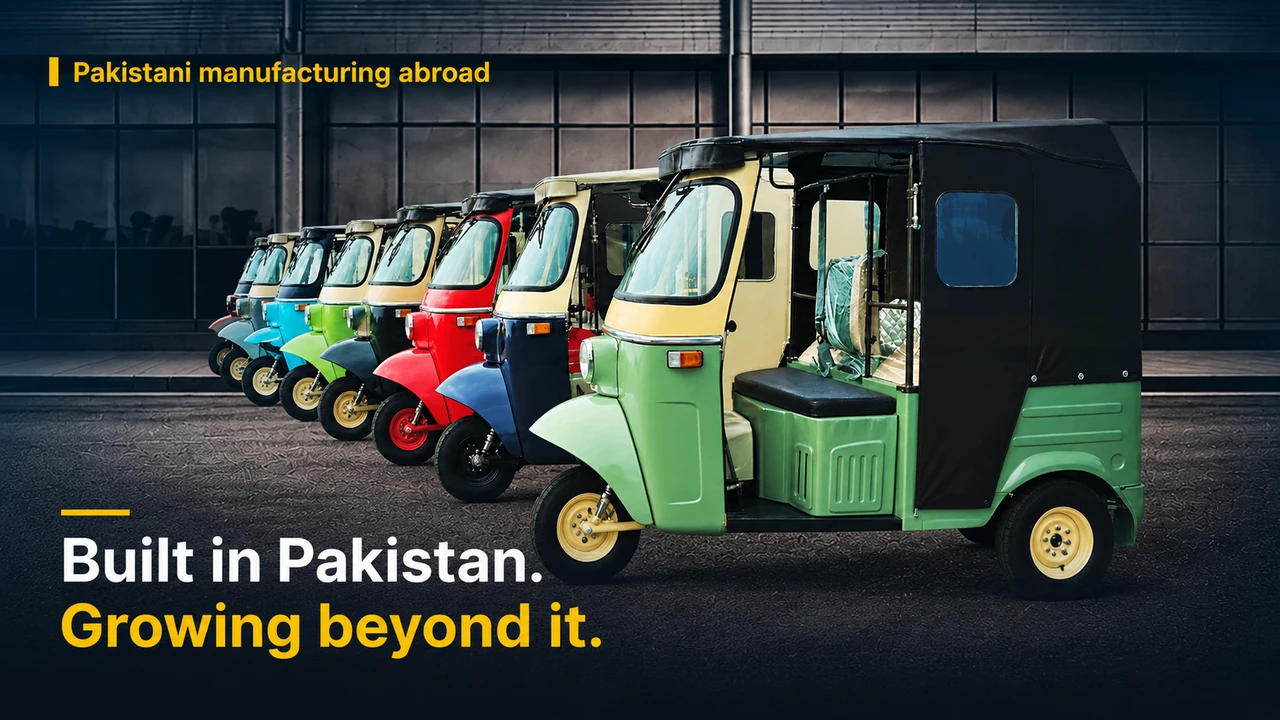
- Sazgar began making three-wheelers in Pakistan in 2004-05, developed an electric model, and exported to Sri Lanka and Japan.
- Its first plant outside Pakistan was inaugurated in Biñan, Laguna, on October 29, 2026. It is designed to assemble about 12,000 vehicles a year, with commercial results still ahead.
- Sazgar Philippines is 60% Filipino-owned. The company says it is building dealer and service coverage across the country.
- Lucky Cement’s operating plants abroad show that Pakistani industrial companies can build lasting businesses beyond the country’s borders.
Sazgar Engineering Works has moved from exporting vehicles to establishing a manufacturing base in the Philippines. The plant in Biñan, Laguna, is designed to assemble about 12,000 three-wheelers annually. Its inauguration on October 29, 2026, marked the company’s first manufacturing facility outside Pakistan. That gives Sazgar a local operating presence in a region where it says the Philippine operation will serve as its main manufacturing and assembly base for ASEAN. (Plant inauguration and design capacity, Sazgar Philippines)
Sazgar brings a manufacturing record built at home
Sazgar’s overseas expansion draws on more than two decades of three-wheeler manufacturing in Pakistan. The company’s 2025 annual report traces that work to 2004-05 and records its electric three-wheeler launch in 2019-20. It also records exports to Sri Lanka from 2007-08 and Japan from 2010-11. The Philippine plant extends that product and manufacturing experience into a new market, where production can sit alongside local sales, service and supplier relationships. (Sazgar Engineering Works Annual Report 2025)
The export history gives useful context for the size of this step. Sazgar reported Rs69.05 million in export sales for FY2025, against gross sales of Rs108.69 billion. Its Philippine plant therefore represents a new mode of growth for the company: an operating base abroad, in addition to its established manufacturing and sales activity at home. The distinction matters because customers need an ongoing local business around a vehicle, including places to buy it, maintain it and obtain parts.
Sazgar Philippines says it is building a dealer and service network across Luzon, Visayas and Mindanao. That network connects the factory to customers over the life of the vehicle. For a manufacturer, reliable service and parts availability are part of the product customers buy. For the local operation, a functioning dealer network gives production a route to market. (Sazgar Philippines)
Local partnership can anchor production in the market
Sazgar Philippines is 60% Filipino-owned, according to the inauguration account. The Philippine plant also qualified under the country’s investment plan on the basis that at least 25% of each unit’s value is added locally. That figure is a qualification threshold, while the 12,000 figure is design capacity. Together, they describe a project structured around local participation and intended manufacturing scale. (Plant inauguration and local-value qualification)
The majority Filipino ownership matters to the shape of the business. A local partner brings the operation into the host market, while Sazgar contributes manufacturing experience and its vehicle platform. That partnership can align local business participation with Sazgar’s production knowledge as the company builds its customer base. A local workforce, distributors and component makers can then form part of the operation’s growth.
Sazgar has experience working with suppliers in Pakistan. Its annual report describes collaboration with existing and prospective suppliers to meet safety and quality standards for its four-wheeler localization program. The Philippine operation will need supplier relationships that meet its own production requirements. The company has named a dealer and service network under development, while the local-content qualification creates a framework for domestic value in each unit. (Sazgar Engineering Works Annual Report 2025, Sazgar Philippines, Plant inauguration and local-value qualification)
Pakistani manufacturing has built lasting operations abroad
Lucky Cement offers a precedent for Pakistani industrial companies establishing production abroad. Its 2025 annual report describes an operating grinding plant in Basra, Iraq, since 2014, an integrated plant in the Democratic Republic of Congo since 2016, and an integrated plant in Samawah, Iraq, since 2021. It also records a new clinker line commissioned in Samawah in May 2025. These are established facilities and commissioned capacity, separate from another grinding unit the company planned for FY2026. (Lucky Cement Annual Report 2025)
That history gives Sazgar’s move a place in a real industrial pathway. Pakistani companies can take capabilities developed at home and build productive operations in other markets. Each business has its own customers, products and economics, but the precedent shows that overseas manufacturing can become lasting industrial capacity. Sazgar has now committed to that path with a vehicle plant, a Filipino-majority operating company and a dealer and service network in development.
The Philippine plant is designed for about 12,000 three-wheelers a year, and its commercial results are still ahead. For Sazgar, the opportunity is to pair Pakistani manufacturing knowledge with a locally rooted business that can reach customers and deepen its supplier base. For Pakistani industry, that is a concrete form of expansion: home-grown production capability building an operating presence abroad, with local partners sharing in the work. It is a path Pakistani industrial companies can pursue as they turn manufacturing experience into durable businesses across borders.

Chinese AI companies will take the entire sovereign AI cake
Two days ago in Shanghai, Huawei's Eric Xu said he cannot sell Ascend abroad because he cannot even feed China. Read tha
Read article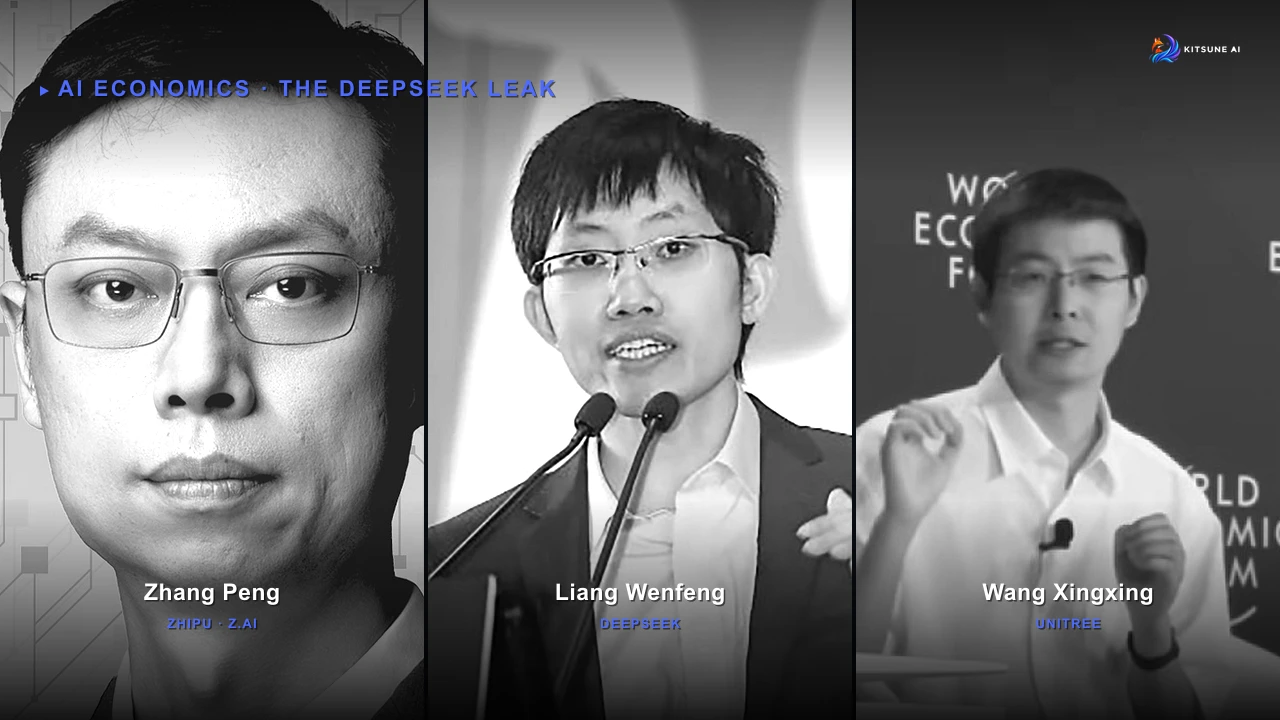
Who wins when intelligence is so cheap it might as well be free?
Intelligence gets cheaper every month, and DeepSeek's leaked shareholder tape shows why that never reverses. Selling int
Read article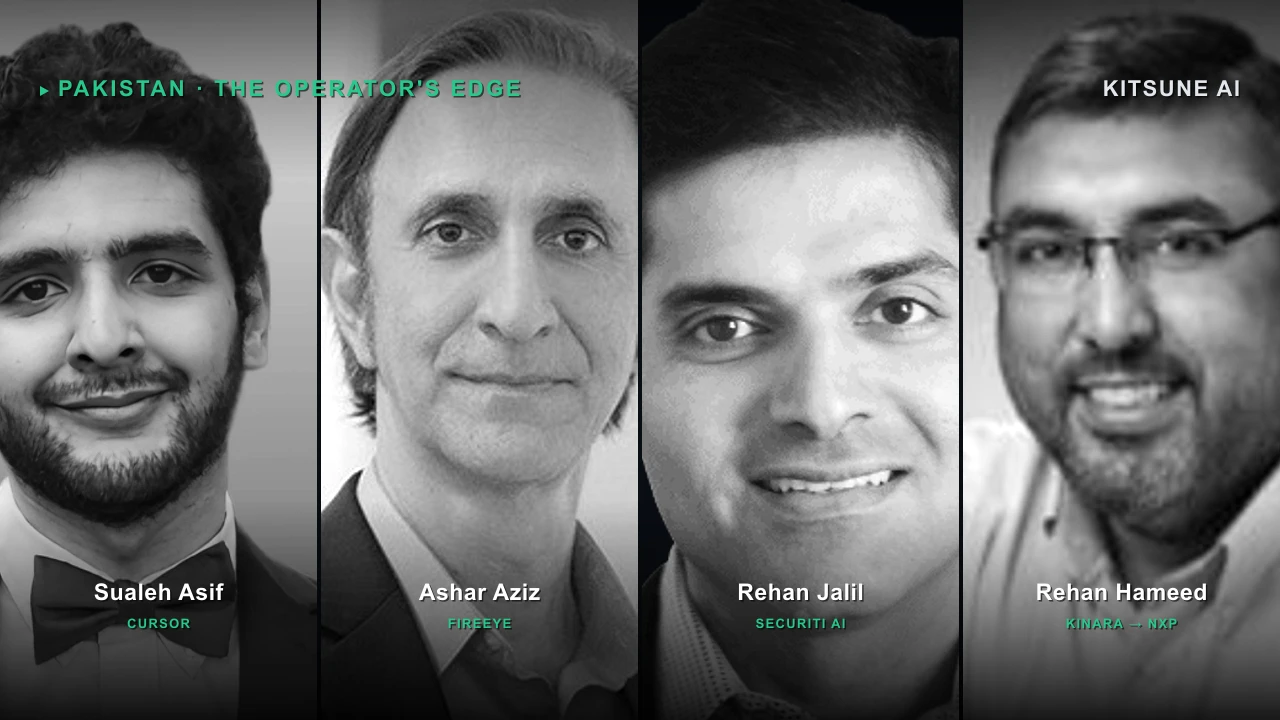
The Pakistanis Quietly Building the Machines That Replace Work
The country that sells the most human work on Earth is also producing the people building the machines that end it. That
Read article
Global FMCG demand dries up, growth now comes from price hikes
A higher grocery bill can make a food company’s sales look healthier than its customer base. The harder question is what
Read article