
Who wins when intelligence is so cheap it might as well be free?
Intelligence gets cheaper every month, and DeepSeek's leaked shareholder tape shows why that never reverses. Selling intelligence by the token is a dead end, even for OpenAI and Anthropic. The money is moving to the people who put cheap intelligence to work inside real companies, and Pakistan is producing more of them every month.

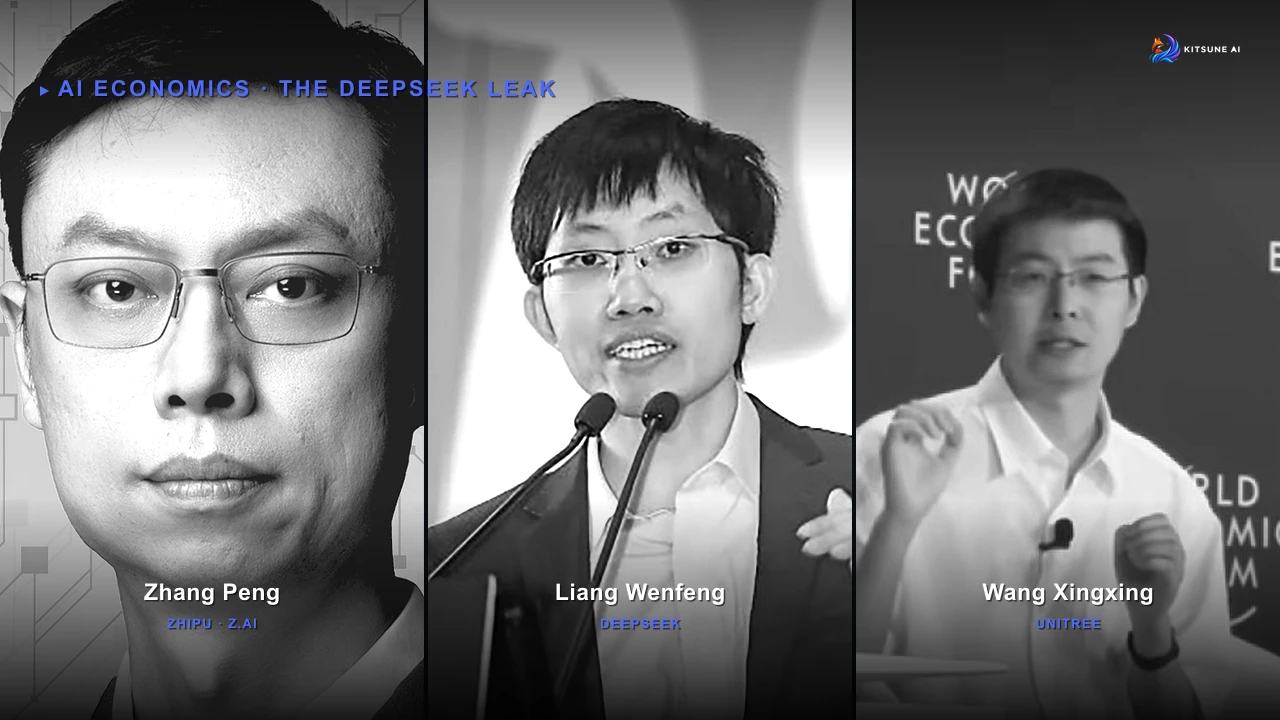
- Intelligence keeps getting cheaper, and the leaked recording of DeepSeek's May 20 shareholder meeting shows why: Liang Wenfeng told his own investors he is chasing AGI, keeps his prices near cost on purpose, and will open-source his strongest models.
- That kills the business OpenAI and Anthropic are built on, charging for intelligence itself. OpenAI's own moves say it knows: it just paid for thousands of IBM consultants to install its models inside enterprises.
- So the money is moving one step down, from making intelligence to putting it to work inside businesses. That work is done by engineers who sit inside your company, and it cannot be automated away, because it is the person doing the automating.
- Which raises the only question left: where do those engineers come from? GitHub's numbers point at Pakistan, the third fastest growing developer country in the world.
What Liang Wenfeng told his shareholders
On May 20, DeepSeek's founder Liang Wenfeng spent almost four hours with his shareholders. Someone recorded it, and in late July the recording leaked across Chinese social media.
His own words, to the people who gave him money: "We only work on the main line toward AGI. We won't do something because it's a good business." On his prices: "If we were maximizing profit, we should set prices higher. Demand is inelastic." On open source: "I think we will open-source, and our strongest model will probably be open-sourced too. I don't see a necessary benefit to being closed-source."
So the strongest cheap intelligence on the market comes from a founder who says, on tape, that he is not in it for the revenue and will keep giving his best work away. He even paused his own funding round at a $71 billion valuation. As long as Liang runs DeepSeek, and as long as Alibaba keeps shipping Qwen behind him, intelligence gets cheaper every quarter. There is no version of this where it gets expensive again.
Cheap intelligence breaks the business of selling it
Now follow what that does to the companies whose product IS intelligence. OpenAI and Anthropic charge for tokens. Every DeepSeek and Qwen release cuts what those tokens can cost. Their product gets better every year and worth less every year, at the same time.
The people with the most money in this trade are acting like they can see it. SoftBank sold its Nvidia stake and $9.1 billion of T-Mobile shares to put $40 billion into OpenAI, and OpenAI has filed a confidential S-1 chasing a valuation above $1 trillion. Masayoshi Son can only get his money back if the public buys. In January, Zhipu, the first of China's AI tigers to list, went public in Hong Kong for exactly the same reason. Watch what these companies do, never what they say: everyone who owns a piece of an intelligence-selling business is working on their exit from it.
And the clearest tell comes from OpenAI itself. On August 13 it signed IBM: thousands of IBM consultants, certified on OpenAI's models, placed inside enterprises to install ChatGPT and Codex. OpenAI makes the intelligence, and it is spending money so that humans can be paid to put it to work. The company at the top of this industry has already told you where the revenue lives. It lives in the installation.
The work that still pays
Cheap intelligence does nothing for a business on its own. Somebody has to connect it to your invoices, your approvals, your customer list. Somebody has to decide what it may touch and what it may never touch, and answer the phone when it breaks at 3am. That somebody is an engineer who sits inside your company, on your side of the table. The industry calls this person a forward-deployed engineer.
This job is the one part of AI that cannot get cheaper the way the models do, because it is made of judgment about your specific business, and no lab can download that. Every time the models improve, this engineer gets more powerful. Every time the models get cheaper, this engineer gets a bigger budget to work with. It is the only role in the whole chain that wins in both directions.
I run a company that does this work, so discount my enthusiasm however you like. Then explain why OpenAI is paying IBM for it.
And Pakistan keeps producing exactly these engineers
If the money is moving to the engineers who install intelligence, the next question is where those engineers come from. They do not need to sit in San Francisco. They need to be good, be affordable, and ship.
GitHub's own data shows where that supply is growing. Pakistan was the third fastest growing developer country in the world, at 42.6% in one year. It has pushed into the top 20 developer communities on the planet, past Poland. In GitHub's latest count, one in three new developers worldwide came from outside the old top ten countries, and 80% of newcomers used Copilot in their first week. The two things that kept a smart kid in Hyderabad or Faisalabad out of serious software work were English and distance. AI removed both.
This is the pipeline that already produced Sualeh Asif, the Pakistani co-founder of Cursor, the fastest-selling developer tool of this whole wave. He is what the top of this curve looks like. I watch the rest of it from inside: every month the pull requests from Pakistani engineers get sharper, and the freelance work climbs from fixing WordPress sites to wiring agents into real operations. The enterprises that got burned in the body-shop outsourcing years will hesitate, and I understand why: they were sold hours and nobody owned the outcome. This is a different job. One engineer, inside your operation, accountable for a result, made stronger every month by intelligence that costs less every month. The hours were the old product. The outcome is the new one.
Nobody is looking at Pakistan, and it gets better every month while they look away.
Budget for the wiring, not the intelligence
So, the answer to the question in the title. The labs selling intelligence do not win; their own investors are heading for the doors, and their own deals say the money moved. The winners are the companies that put cheap intelligence to work inside their operations, and the engineers who do that work for them. The intelligence line in your budget falls on its own from here. Move what you save to the people who wire it in, and hire them from the places actually producing them.
Common questions
What did DeepSeek's Liang Wenfeng tell shareholders about pricing and open source?
In the leaked recording of DeepSeek's May 20 shareholder meeting, Liang Wenfeng said the company works only on the main line toward AGI. He said that if DeepSeek were maximizing profit it would set prices higher, and that its strongest model will probably be open-sourced too.
Does cheap AI hurt OpenAI and Anthropic?
OpenAI and Anthropic charge for tokens, and every DeepSeek and Qwen release cuts what those tokens can cost. On August 13 OpenAI signed IBM to place thousands of consultants inside enterprises, which shows the revenue lives in the installation.
Which countries are producing the engineers who put AI to work inside companies?
GitHub's data shows Pakistan was the third fastest growing developer country in the world, at 42.6% in one year, and it has pushed into the top 20 developer communities past Poland. Sualeh Asif, the Pakistani co-founder of Cursor, is what the top of this curve looks like.
Nobody built it, so nobody can fix it
McKinsey counted 27% of enterprises skipping software purchases because agents can build it in-house. One day later, Reu
Read article
The frontier just became a policy decision. Open models became the only foundation you can build on.
When a model ships only when a government says it can, the open-weight runt that you actually control stops being the co
Read article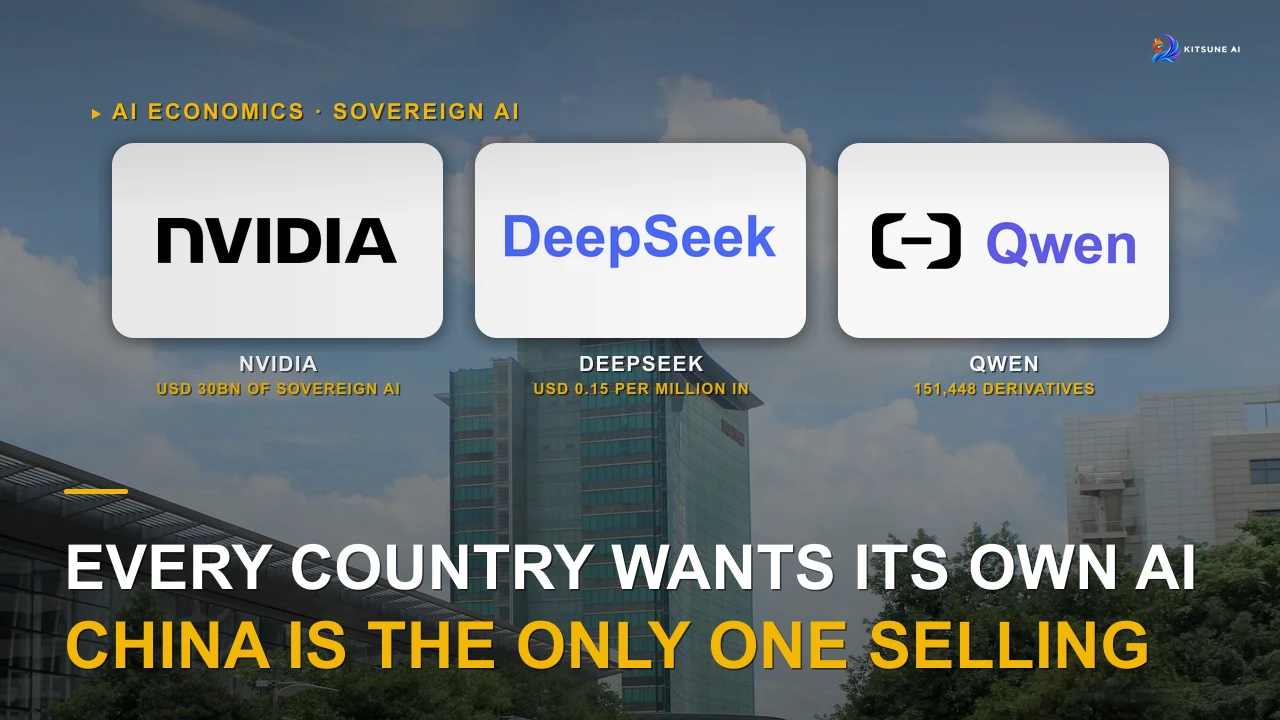
Chinese AI companies will take the entire sovereign AI cake
Two days ago in Shanghai, Huawei's Eric Xu said he cannot sell Ascend abroad because he cannot even feed China. Read that as a schedule.
Read article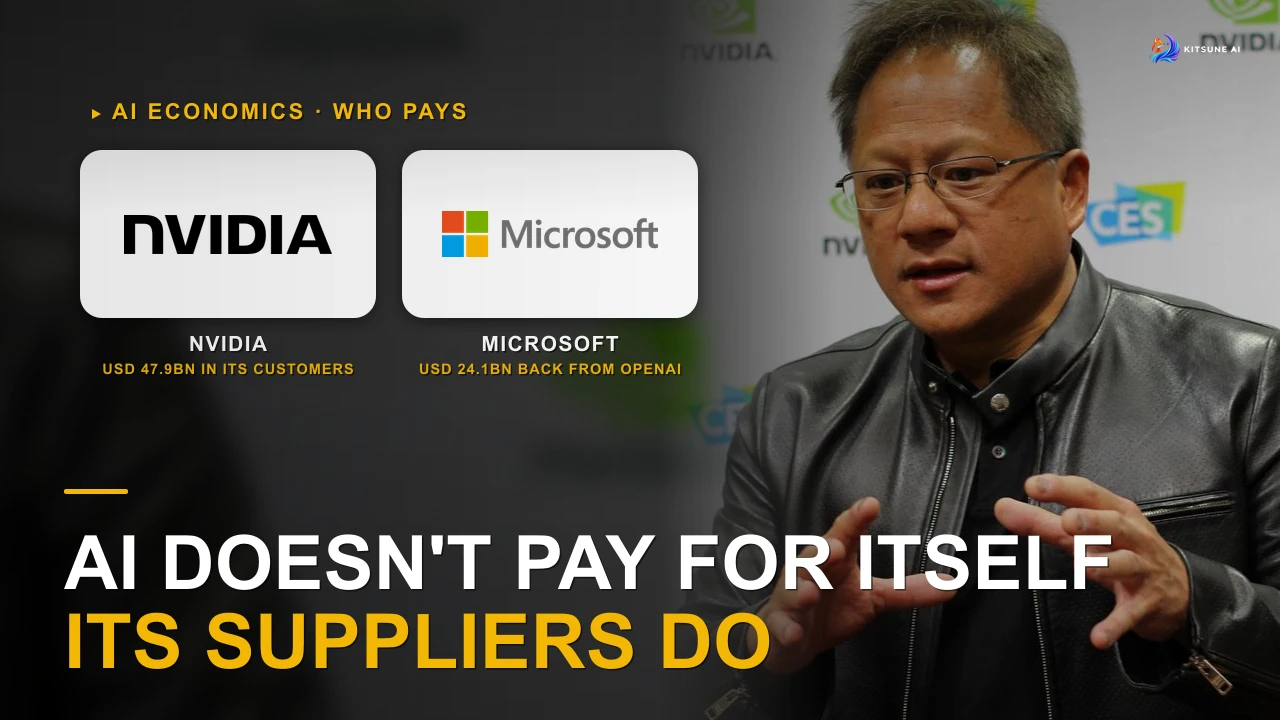
AI is not paying for itself. Its suppliers are, and they are booking it as revenue.
Microsoft has committed USD 13.0bn to OpenAI and booked USD 24.1bn of revenue from OpenAI in a single financial year.
Read article