
AI search can make paid PR look like a second opinion
Researchers paid $14 to put material on the web. Within an hour of delivery, an AI answer cited it. The PR opportunity is more troubling than cheap reach. A company may be able to pay to put its own words in a place where they look like someone else’s judgement.

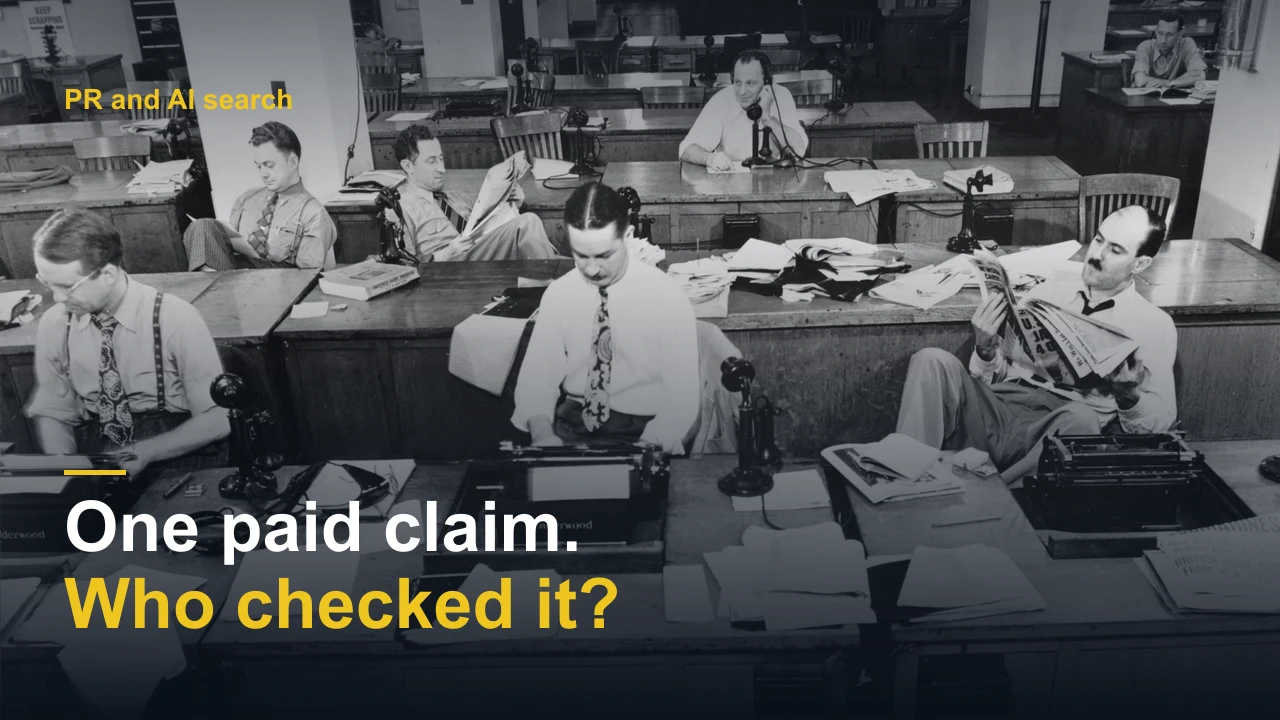
- In one paid placement experiment reported by Liu and colleagues, $14 bought 13 public posts. Doubao cited one of the posts and repeated material traceable to the researchers.
- A separate experiment with 4,927 US adults found that adding references increased trust in AI search results, including when the references were invalid.
- A citation can tell you where a claim appeared. The money in this business is in getting the buyer to read that link as evidence that somebody else checked it.
Researchers studying AI search paid $14 to have material published. The vendor delivered 13 posts. Within an hour of that delivery, Doubao, ByteDance’s AI assistant, cited one of the pages and repeated material the researchers could trace to the purchase. The October 2026 preprint reports a single paid test. The researchers established a route from payment to publication to a cited answer. Liu and colleagues’ study.
The $14 gets your attention. I’m more interested in what a brand buying the same service might think it got. It paid to put its claim on the web. When an assistant repeats that claim with a link beside it, a reader who never saw the invoice can take the link for a second opinion.
That’s a different product from distribution. The company buys a chance for its own claim to walk back into the buying decision as somebody else’s evidence. I think that is the part of AI-era PR the industry will have the most trouble pricing honestly.
The citation is part of what people trust
Suppose a buyer asks an assistant which supplier does the best job of handling returns. The assistant says one firm has the easiest returns and links to a trade publication. There are several ways the publication could know that. Its reporter could have put an order through the returns process. It could be quoting a customer who did. It could have published the supplier’s launch copy. The link looks much the same in the answer.
Haiwen Li and Sinan Aral ran a preregistered experiment with 4,927 US adults. They varied how search results were presented, including whether AI results carried references and whether those references were valid. Links increased reported trust and willingness to share even when the references were invalid. The participants generally trusted traditional search more, which makes the effect of adding a link more interesting. Within the AI results, some of the confidence came from how the information was presented. Human Trust in AI Search.
That experiment measured trust. It takes another step to say this changes which supplier wins an order. But when the assistant puts a link next to a comparative claim, it has already done something a media buyer would normally pay attention to. It has given the claim a source the reader can recognise. The sponsor’s identity may be one click away while the impression of outside validation is immediate.
Three pages can report the same thing for very different reasons
The PR industry knows how to sell reach. A wire can take a release into newsrooms, feeds and partner sites that the company could never reach by posting it on its own website. PR Newswire’s distribution materials openly describe online syndication and visibility in AI discovery. That’s the service. If I’m announcing a product recall or a change in distribution, I want the accurate notice in front of as many of the right people as possible. PR Newswire’s distribution offer.
The mistake is to add up those copies as separate judgements. The Tow Center tested eight search tools on news excerpts and asked for the original article. In its March 2025 report, Perplexity Pro linked to syndicated versions of Texas Tribune articles on three of ten Tribune queries. Perplexity linked to an unofficial copy on another query. The underlying work still came from the Tribune. A different URL changed where the reader was sent. It did not create another newsroom that had independently reported the story. The Tow Center’s attribution audit.
Click the link and there’s a real page, with a masthead and a date, saying what the assistant said. A standard link check passes. The buyer still needs to know who supplied the claim. Sometimes a company is the best source. If I want to know what its warranty covers, I’d rather see the policy it has to honour. If I want to know whether its warranty service is better than a rival’s, I need evidence it couldn’t write and approve on its own.
We’ve dealt with this problem before. The US Federal Trade Commission’s native advertising guidance discusses ads that give readers the impression they came from an independent source, even where the commercial message itself can be accurate. The source changes how much weight a reader gives it. An AI answer makes the question harder because readers can encounter the summary and its citation without seeing the publisher’s disclosure beside the original text. The FTC’s native advertising guidance.
An agency can get paid twice for one claim
Imagine an agency invoicing for the placement and, a month later, invoicing for a programme that gets the brand named in AI answers. Both can be valid services. Now suppose the answer cites the material from the first invoice. The second report can make the placement look like proof that the market is starting to recognise something about the company. What changed was where the company’s words showed up. If the agency wants credit for changing how the buyer should judge the supplier, it needs to show what somebody else found out.
I sell PR at Kitsune. We tell customers which outlet and format they’re buying. The same distinction applies to us. An agreed placement gets a story published under an agreed arrangement. If the story gets an editor’s scrutiny, uses evidence the brand didn’t supply or reports on an actual customer, the reader can judge that work on its merits. A pile of pickups shows how far it went. I wouldn’t invoice for a pile of independent endorsements on the strength of those pickups. Kitsune’s published PR offer.
The assistant’s answer also needs to carry its share of the work. If an answer uses three copies of one release, show the reader that the underlying claim came from the company. If the assistant has a journalist’s account and a separate customer test, let the buyer see what each contributed. The company can make its case under its own name. The assistant controls how that case appears next to the recommendation.
I would still pay to get a good story in front of the right reader. I would pay more for someone who can find something about the business that we couldn’t credibly say about ourselves. If the AI answer makes those two purchases look identical, the agency that did the reporting has a harder time getting paid for it. The one that bought the copies has a reason to send the invoice again.
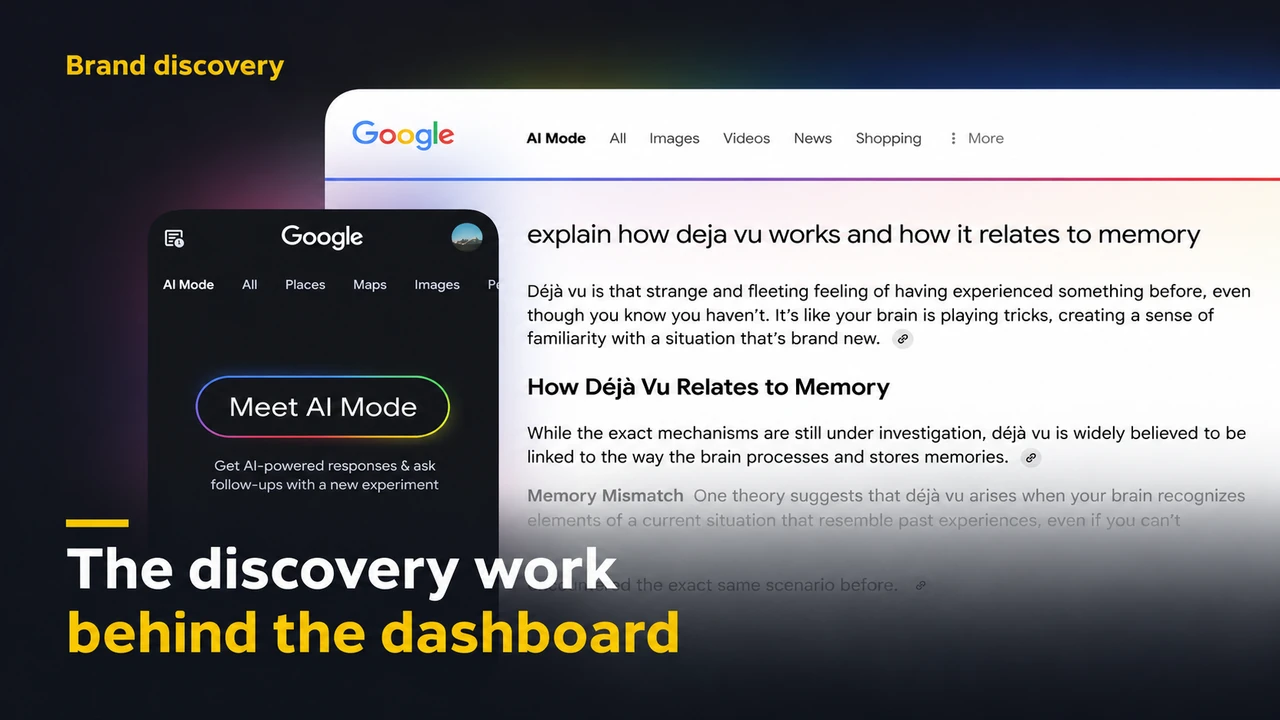
7 reasons AI overlooks your brand.
An international PR buyer asks which firms can deliver media coverage, in which markets, and how the work is judged. The
Read article
The AI bubble is bursting. What will we still pay for next November?
A market correction can expose expensive expectations without settling whether the technology earns a durable place in t
Read article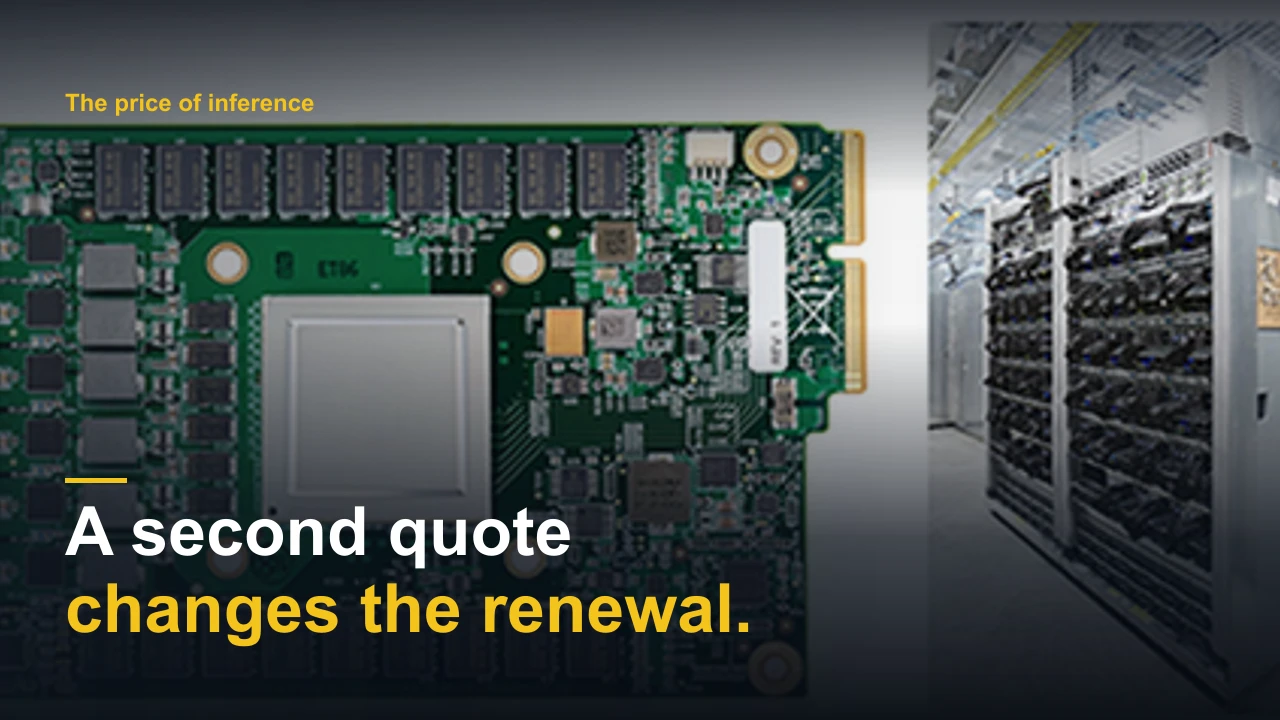
Google’s real target is the price on Nvidia’s next invoice
Google’s TPU strategy is about becoming a real second source for AI compute. One workload moved at the right price can c
Read article
What does sovereign AI do for my token bill?
Pakistan has a public rupee tariff for local inference. The buyer’s real question is what one accepted piece of work cos
Read article