
Omnicom admits it can't build AI, passes Omni to Endava
Omnicom told the market Omni would carry the group's future. It spent years, hundreds of millions of dollars and more than 500 people on it. Months after showing it off at CES, it handed the engineering to Endava, because it does not know how to make the platform actually work.
- Omnicom unveiled a rebuilt Omni at CES in January 2026 as the system that would connect strategy, creative, media, commerce and measurement across the combined Omnicom and IPG business.
- By June and July it had moved at least 468 product and engineering staff to Endava and let around 50 more go. Omnicom keeps the product, the IP, the AI work and the clients.
- Omnicom said Omni would carry the group's future. After CES it worked out that it does not know how to make the platform actually work, so it passed the job to a contractor. The problem is the holding company.
- Clients should look past the platform presentation and ask which workflows run today, who uses them, how fast a change ships, and who answers when it fails.
Omnicom unveiled a rebuilt Omni at CES in January 2026. It presented the platform as the system that would connect strategy, creative, media, commerce and measurement across the combined Omnicom and IPG business. On its own site, Omnicom calls it one platform for every signal and every outcome, built on Acxiom's identity data and an agentic AI framework that runs through the workflow rather than sitting on top of it.
By June and July, Omnicom had transferred at least 468 product and engineering employees in the US, UK, India and Malaysia to Endava. Around 50 US employees in the Omni Platforms Product & Engineering division lost their jobs on June 9, according to Adweek's reporting. Omnicom says it still owns the product, its intellectual property, AI work, data science and client relationships, and describes the arrangement as a multi-year partnership for engineering scale and speed.
The transfer says something much bigger about the agency business. Omnicom had the right idea for Omni. It could not manage the work required to build and run that idea inside its own company.
Years, people and hundreds of millions
Omni was never a small experiment. Omnicom has been building it for years, adding new data sources, identity products, media tools and AI systems, and paying outside data and technology partners along the way. By any honest measure, Omnicom has committed hundreds of millions of dollars to the platform over its life.
Money and headcount did not solve the management problem.
Omni has to work inside real agency jobs. A client brief has to become an audience, a media plan, approved creative, live campaigns and measurement that people trust. The platform has to connect old systems owned by different agencies. Someone has to decide which process changes, which system remains and who is responsible when the data does not match.
Omnicom had years to organise that work. It had more people than most technology companies will ever assign to one product. Yet months after presenting the rebuilt platform at CES, it moved much of the team responsible for the product into Endava.
Why Endava
Endava is a publicly listed technology services company led by its founder, John Cotterell. Its people design, build and run software inside large companies. They enter a business problem, work with the teams involved and remain responsible for getting the software into use. That is close to the forward deployment model used by companies such as Palantir.
Endava also knows media.
Hudson MX approached Endava in 2016 to help build an end-to-end media buying and accounting platform. Endava helped define the system architecture and the first working version, in a case study it still publishes under the Hudson MX name. It then helped build, maintain and expand the product.
The work covered media planning, buying, billing, payments, administration and reporting. Endava built rules, data processing and connections between systems. The resulting platform, Endava says, has been used by every major global advertising holding company.
That makes Omnicom's choice easy to understand. Endava already knew the work and had teams trained to turn it into software. Omnicom had the client relationships and the industry knowledge. Endava had the engineering management needed to make the platform work.
The problem sits inside the holding company
Omnicom's ideas for Omni were sound. Media agencies need one system connecting client data, planning, creative work, buying and measurement.
Agency holding companies were built to own brands, manage client accounts and protect margins. Each agency has its own leaders, revenue targets, clients and way of working. A shared platform asks those agencies to use common data, follow the same rules and change work that has existed for years.
That requires strong project management and clear authority. More staff can make the problem worse when teams disagree about what they are building, who controls it and when it is ready.
Omnicom describes Endava as a source of greater engineering capacity, specialist skills and operational support. Moving 468 people after the platform's public launch goes much further than adding capacity. Omnicom has placed a technology company in charge of much of the work its own structure could not manage.
Media and creative groups are losing their advantage
Media and creative holding companies once had better access to talent, client information and market relationships than smaller competitors. Technology has reduced that lead. A specialist company can now assemble a focused team, connect the same commercial systems and release useful software while a holding company is still coordinating its agencies.
Endava already works across the media market. Hudson MX's platform serves the same large holding companies that compete with Omnicom. The skills Endava gains from operating Omni will stay inside Endava, even though the Omni code and client data remain with Omnicom.
Omnicom's advantage therefore depends on execution. Its people must use Omni better and improve it faster than competitors can build similar systems. The decision to move so much of the product team outside the company shows how difficult that has become. It is the same lesson Meta learned the hard way when it pulled its own engineers back in: the people who built the system are the only ones who can keep it running.
Clients should look past the platform presentation. They should ask which workflows are running today, how many staff use them, how long it takes to release a change and who is responsible when something fails. Those answers reveal more than a list of AI features.
What Kitsune takes from this
Most companies we meet can identify the work slowing them down. Orders get copied between systems. Leads wait in inboxes. Campaign reports take days to assemble. Candidate interviews require repeated emails and messages.
The delay starts when several departments need to agree on a solution and nobody has full responsibility for delivery.
Kitsune starts with one workflow and puts a working system into use within ten days. We connect the company's existing tools, test the system with its users and deploy it against live work. If it does not work, we leave the project.
Omnicom spent years, employed hundreds of people and committed hundreds of millions of dollars to Omni. It then needed Endava to take responsibility for much of the engineering work.
Omni may become a strong product under Endava. If it does, the reason will be plain. Omnicom needed a technology company to finish the workflow system that was supposed to protect a media company's future.
Common questions
Why did Omnicom move its Omni engineers to Endava?
By June and July Omnicom had transferred at least 468 product and engineering employees in the US, UK, India and Malaysia to Endava. Omnicom keeps the product, IP, AI work, data science and client relationships, and it could not manage the work of building and running Omni inside its own company.
What did Omnicom unveil at CES in 2026?
Omnicom unveiled a rebuilt Omni at CES in January 2026 as the system connecting strategy, creative, media, commerce and measurement across the combined Omnicom and IPG business. It is built on Acxiom's identity data and an agentic AI framework that runs through the workflow.
What should clients ask Omnicom about Omni?
Clients should look past the platform presentation and ask which workflows run today, how many staff use them, how long it takes to release a change and who is responsible when something fails. Those answers reveal more than a list of AI features.
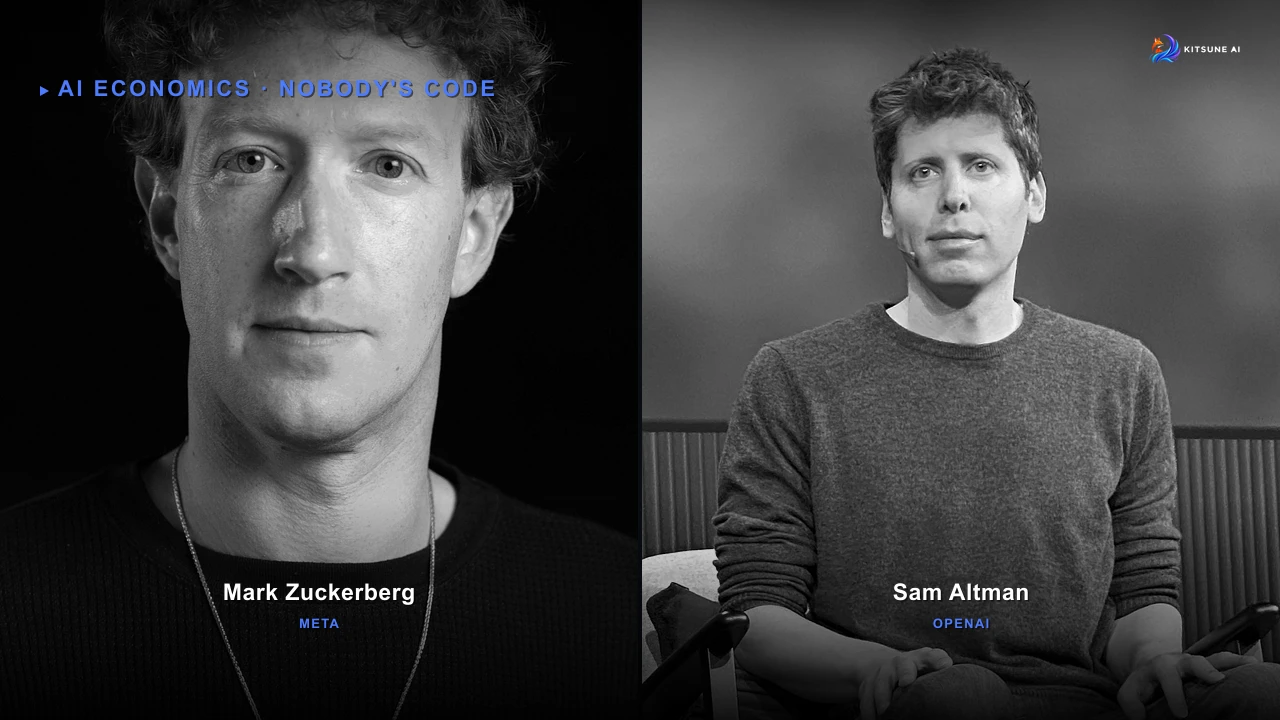
Nobody built it, so nobody can fix it
McKinsey counted 27% of enterprises skipping software purchases because agents can build it in-house. One day later, Reu
Read article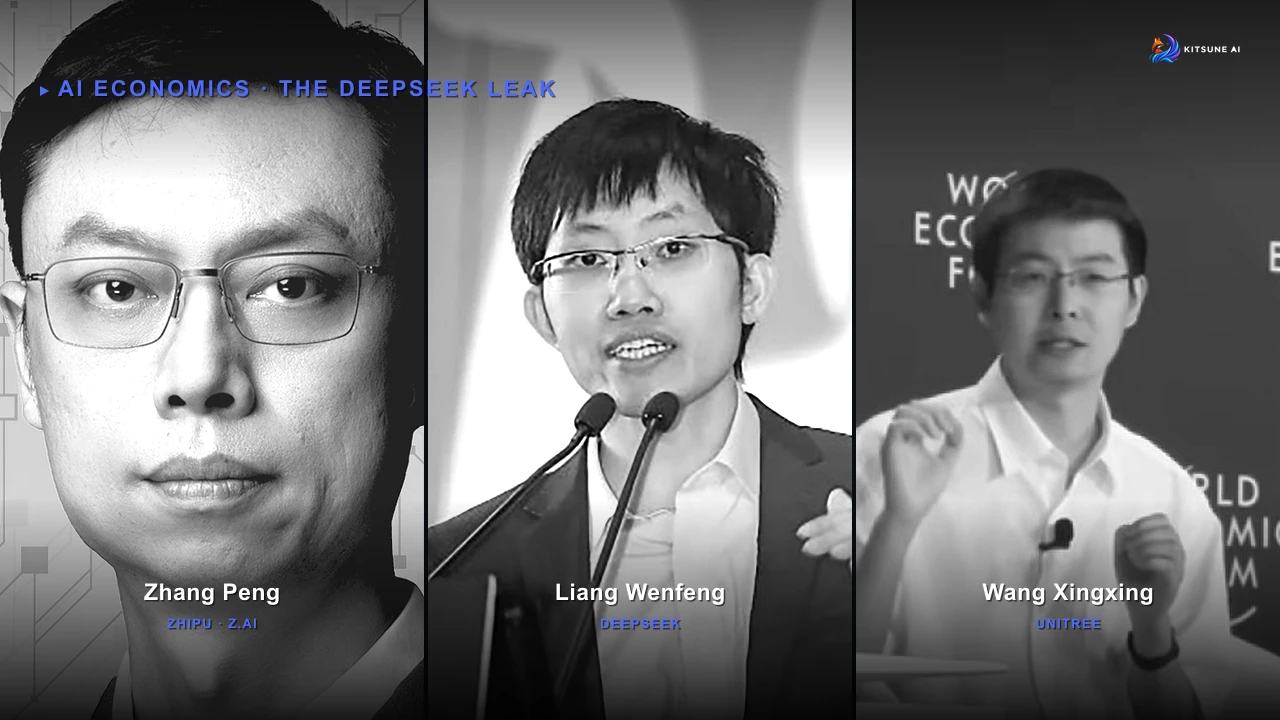
Who wins when intelligence is so cheap it might as well be free?
Intelligence gets cheaper every month, and DeepSeek's leaked shareholder tape shows why that never reverses. Selling int
Read article
PepsiCo just ended the era of procurement in marketing
$5.4 billion of marketing moved to Publicis without a pitch. Microsoft did the same in April, Coca-Cola a year before that.
Read article
TV is not dead. It's now connected. And 25% of it is fraudulent.
Pixalate measured a quarter of the open programmatic connected TV market as invalid traffic in Q1 2026.
Read article