
ARY Just Pulled Its Dramas Off YouTube. Now Comes the Streaming Bill.
ARY Digital announced it will remove its prime-time dramas from YouTube on September 17 to make them exclusive to ARY Plus. Weaning off YouTube easy ad money to build an owned OTT operation is the healthiest move a Pakistani network has made in ten years. Hum, Geo and the rest of the broadcast industry should follow suit.
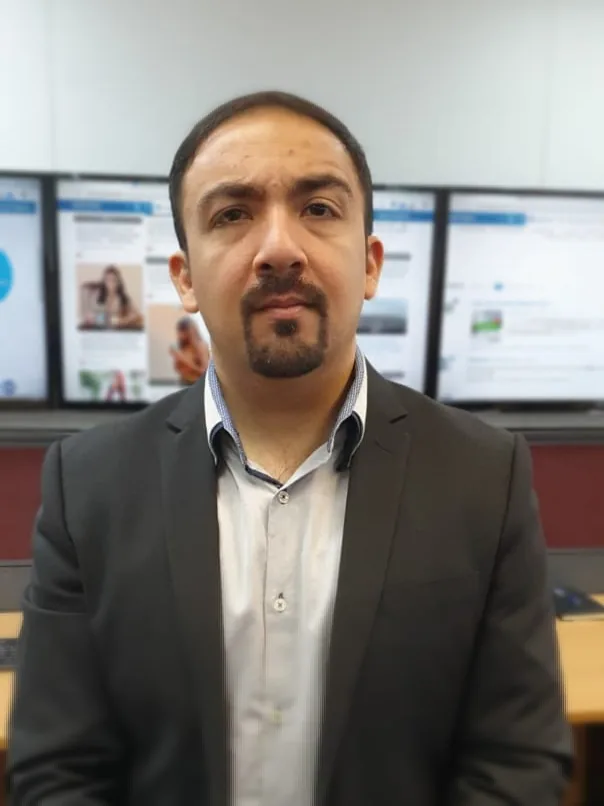
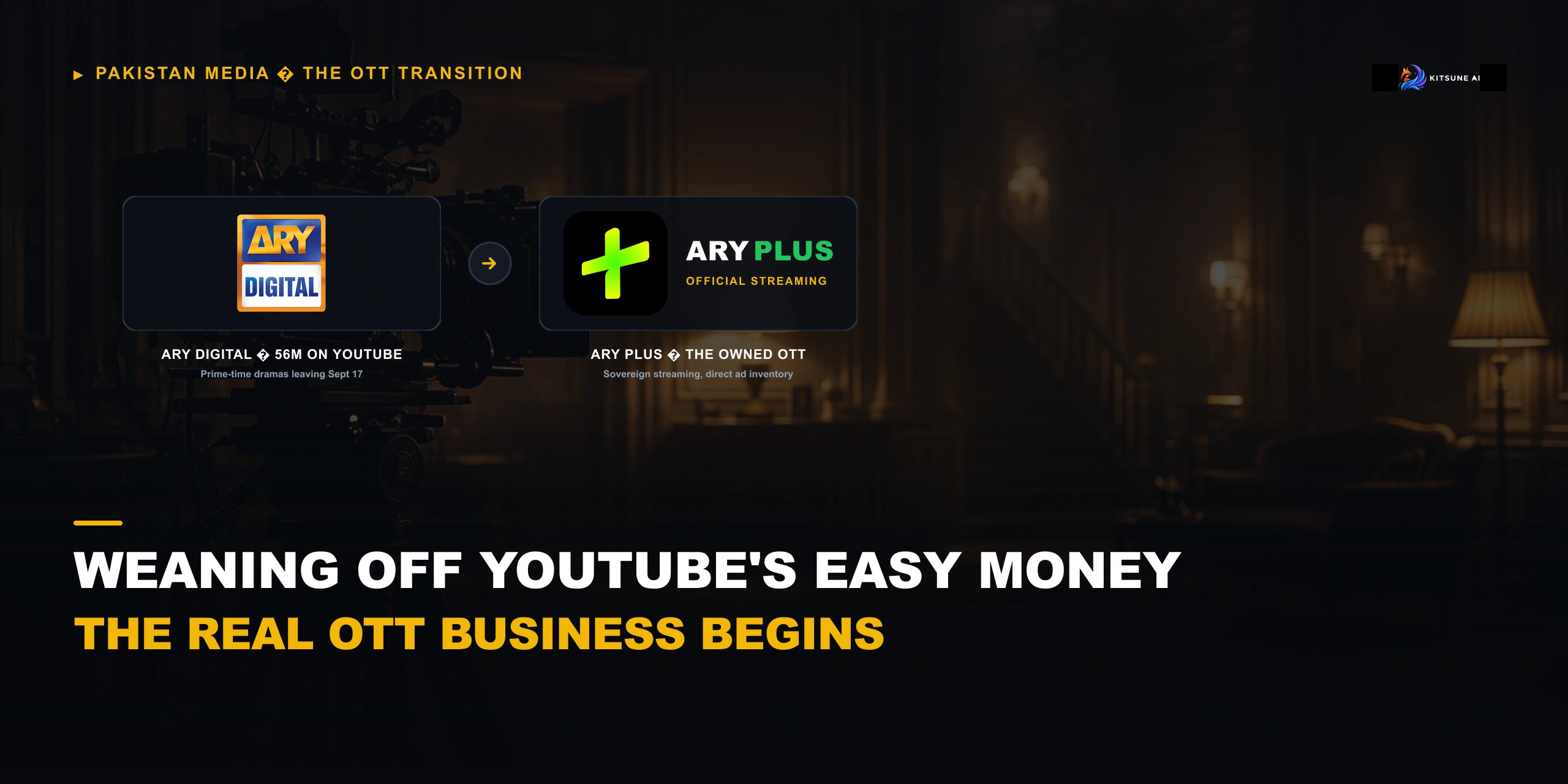
- ARY Digital Network CEO Salman Iqbal confirmed that starting September 17, 2026, ARY dramas will leave YouTube and stream exclusively on ARY Plus, its newly rebranded OTT platform engineered by ARYtech.
- For five years, Pakistan major networks ran an industrial upload machine on YouTube. They dropped clips and episodes every 10 to 15 minutes, piling up 50 million subscribers and billions of vanity views while receiving hollow $0.35 CPMs and giving Google a 45% cut off the top.
- Weaning off YouTube is a welcome, long-overdue breakthrough for Pakistan media sovereignty. If Hum Network, Geo and others follow ARY lead, Pakistani broadcasters can finally reset digital advertising rates and build real enterprise equity.
- The tradeoff is operational: running your own OTT transfers the entire infrastructure bill to your balance sheet. Video CDN delivery, 8:00 PM concurrency spikes, app performance, and direct ad sales now determine survival.
For five years, Pakistan major broadcast networks treated YouTube as an ATM that required no maintenance.
They took their most expensive prime-time television dramas, chopped them into clips, and fed them to the algorithm every 10 to 15 minutes. ARY Digital built a channel with over 50 million subscribers. The view tallies rivaled global studios.
The views were real. The business model was hollow.
When you distribute on YouTube, you trade sovereign control for painless distribution. Google pays for the bandwidth, hosts the files, and delivers video across congested networks without buffering. In exchange, Google takes 45% of every advertising dollar, locks viewer identity behind a black box, and prices South Asian attention at fractions of a cent.
Pakistani television networks poured hundreds of millions of rupees into production sets, scriptwriters, and marquee stars. In return, they collected fifty-cent CPMs from programmatic ad exchanges. They acted as subsidized content suppliers for Silicon Valley.
ARY decision to walk away from that trap is the best news Pakistan media industry has received in a decade.
ARY Digital Network President Salman Iqbal confirmed that starting September 17, the network is pulling its drama catalog off YouTube. New episodes will stream exclusively on ARY Plus, the network rebuilt OTT application engineered by ARYtech. The service launches free and unlimited, aiming to migrate tens of millions of domestic and diaspora drama lovers into an owned environment.
This is a welcome, courageous step toward digital sovereignty. Pakistani television dramas are one of the country premier cultural exports. Viewers across South Asia, the Middle East, and the West organize their evenings around these releases. Treating that caliber of intellectual property as cheap filler for an automated programmatic ad machine was a failure of commercial imagination.
The real test is whether the rest of the industry follows.
If ARY stands alone, YouTube will promote Hum Network and Geo Entertainment to capture the displaced traffic. If Sultana Siddiqui at Hum Network and the leadership at Geo find the conviction to pull their catalogs too, the dynamics of Pakistan digital advertising change overnight. When the top three networks refuse to give their premium inventory to Google for pennies, local brand advertisers and media buying agencies must negotiate on broadcasters terms. Exclusivity creates pricing power against local players like Jazz Tamasha and Tapmad.
Having engineered digital media architecture in Pakistan, I also know the operational reckoning that comes with this transition.
On YouTube, server costs are zero. On your own OTT, every single stream is a line item on your monthly cloud bill. When millions of viewers log on simultaneously at 8:00 PM on a Tuesday for a blockbuster finale, concurrency spikes test video delivery networks. If the player buffers for five seconds, casual viewers close the app.
Then comes the commercial challenge. You can no longer rely on Google automated ad fill. ARY must build a direct digital ad sales machine capable of monetizing millions of daily active users through premium sponsorships, dynamic ad insertion, and telco billing integrations.
Weaning off YouTube easy ad money is hard work. It demands serious engineering, disciplined CDN management, and aggressive sales execution.
Salman Iqbal took the first step. Hum and Geo should follow. Pakistan media companies spent a decade renting their audience from Google. Building a sovereign streaming business is where real media ownership begins.

The math isn't mathing for global sports streams. NBA talks with Youtube called out as a fire sale.
Tech blogs are calling the NBA talks with YouTube a streaming revolution. It is a bankruptcy fire sale. Cable subsidized
Read article
Frontier Labs are investing into Forward Deployment because AI doesn't work on its own.
For two years, the pitch to boards was that software was autonomous. Buy an API key, stream tokens, and your business tr
Read article