
Brands don't know what to pay creators
A new study finds almost half of marketers are clueless about what they are paying creators for. The problem is on the buying side, and it has been for a decade.

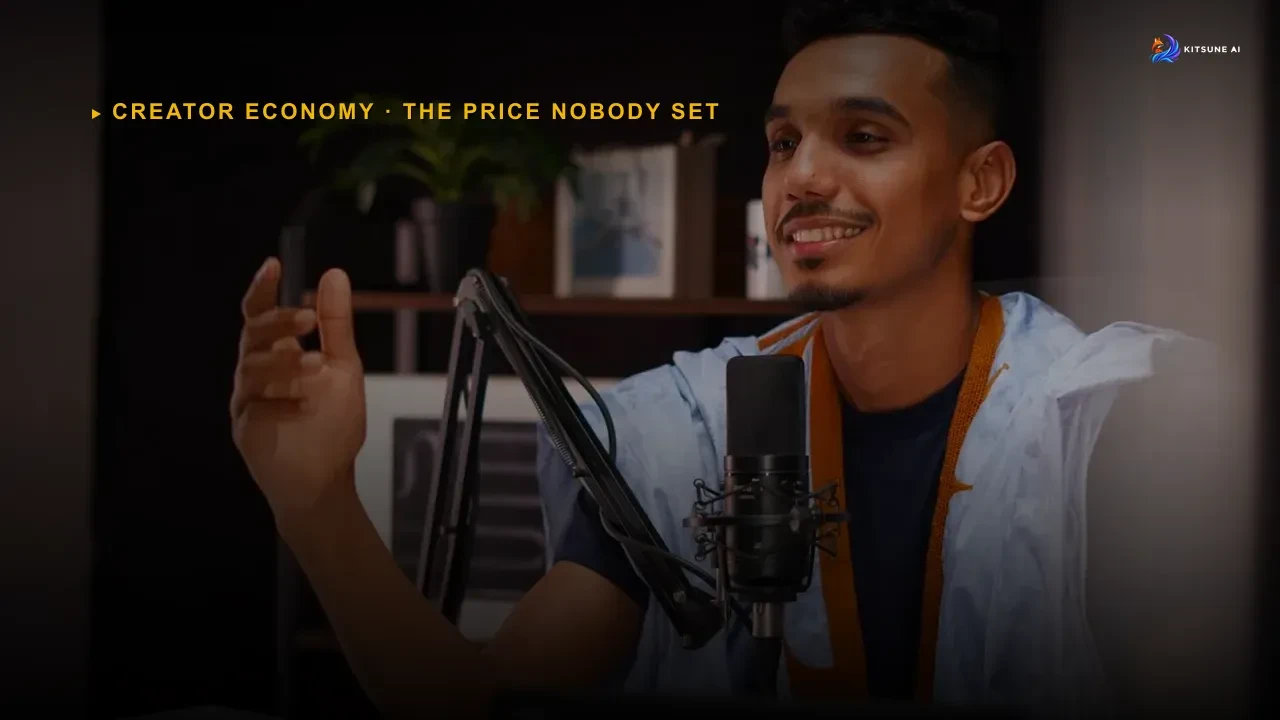
- A survey of 1,000 marketing and procurement leaders found half of them misprice creator fees and 40 percent think they overpaid. One agency boss says brands overpay nine times out of ten.
- The reason is that buyers cannot say what they are buying. Three people who run creator deals every day told Digiday that nobody defines usage the same way twice, so every price comes back in a different shape.
- None of that is the creators' fault. Influencer marketing has been a line on the media plan for more than ten years, creators generate real revenue, and the tools to measure it exist.
- The fix is to price creators on the value they generate, per view, per thousand, per sale, the way every other channel gets bought, and to stop blaming the person on the other side of the invoice.
Almost half of the people who buy creator content for a living cannot tell you what they are paying for. That is the finding of a survey by Billion Dollar Boy of 1,000 marketing and procurement leaders, and it explains why creator pricing feels broken to everyone involved.
Half the buyers admit they cannot price the deal
Billion Dollar Boy asked 1,000 marketing and procurement leaders about creator fees. Half said they misprice them. Forty percent said they believe they overpaid. Danielle Wiley, who runs the influencer agency Sway, told Digiday that in her experience brands pay too much nine times out of ten.
Read that from the buyer's side. Procurement exists to know the price of things. Marketing exists to know what a channel is worth. Half of both just said, in writing, that they do not.
The confusion is on the buying side
Ask why and the people running these deals give the same answer. Wiley says there is no consistency in how creator pricing is presented. Her agency asks every creator for the same package, one post, thirty days of paid usage, two months of organic usage, thirty days of exclusivity, and gets the price built back a different way every time. Roz Sedaghat, who writes the contracts at the creator platform Pearpop, says usage is often not defined at all when the offer goes out. Someone types "organic" or "paid" into a brief and everyone assumes they mean the same thing.
Look at who is failing to define it. The brief comes from the brand. The contract comes from the brand's agency or platform. The usage terms are the buyer's to specify. When the buyer cannot say how long it wants to use a video, or where, the creator is left to guess, and the buyer then calls the guess expensive.
Creators are doing their job
Influencer marketing has been on media plans for more than a decade. Creators build audiences a brand cannot reach any other way, make the content, publish it, and report back. I ran that business at Walee, where we took 18 percent of Pakistan's influencer market and put creators behind a livestream that reached 3.4 billion views and 70 million people. The creators delivered. The part that lagged, every time, was the buyer's ability to say what a view or a sale from that audience was worth to them.
Iluka Enright at Movers+Shakers says pricing is going back to old-school media kits. That is a creator fixing the buyer's problem for them. Television solved this in the last century. Thirty years later, buyers who spend millions on creators still have not written down what they want to buy.
Two hundred tools exist and the big advertisers ignore them
Go to G2 and count the influencer marketing platforms. There are close to two hundred. Half of them are bright young teams who have not yet learned what measurement is. The other half includes real instruments: platforms that track a creator's sales, views, reach and engagement across networks and put a number on each one. Most of the big advertisers I have sat across from have never trialled any of them. They buy creators the way they bought print in the nineties, on a rate card someone emailed, and then complain the rate was high.
Price the creator on what the creator generates
There is no mystery about how to do this. Pay per thousand views, the way every other channel is bought. Pay per completed view. Pay a share of the sales the creator drives through their own link. Pay a base for the post and a bonus for performance. Each of those gives the buyer a number to compare across creators, across platforms and across the rest of the media plan, and gives the creator a reason to perform.
That takes buyers who are willing to try more creators, in more places, with more than one pricing model, and to run the measurement themselves instead of waiting for a creator to hand it to them. It is the same discipline every other channel got twenty years ago.
The price problem is a measurement problem, and it belongs to the buyer
Nine deals in ten close at the wrong number because the person paying never wrote down what they wanted or what it was worth. Creators are generating the revenue and pushing the creative work forward. Marketers and procurement teams have spent a decade blaming them for a price they never bothered to define. The survey just put a number on that.
Common questions
How many marketers misprice creator fees in Billion Dollar Boy's survey?
Billion Dollar Boy asked 1,000 marketing and procurement leaders about creator fees. Half said they misprice them and 40% said they believe they overpaid. Danielle Wiley, who runs the influencer agency Sway, says brands pay too much nine times out of ten.
Why do brands not know what to pay creators?
Buyers cannot say what they are buying. Nobody defines usage the same way twice, so every price comes back in a different shape, and usage is often not defined at all when the offer goes out. The brief, the contract and the usage terms are the buyer's to specify.
How should brands price influencer deals?
Price the creator on what the creator generates. Pay per thousand views, per completed view, a share of the sales the creator drives through their own link, or a base for the post plus a bonus for performance, so the buyer gets a number to compare across creators and platforms.

The Pakistanis Quietly Building the Machines That Replace Work
The country that sells the most human work on Earth is also producing the people building the machines that end it. That
Read article
Who wins when intelligence is so cheap it might as well be free?
Intelligence gets cheaper every month, and DeepSeek's leaked shareholder tape shows why that never reverses. Selling int
Read article
Nano-Creators and UGC rising with pay-for-performance models
A famous face on a flat fee is the deal brands are walking out of. Unilever is paying smaller creators a share of the sales they drive, and the invoice data shows why the mega post got too expensive to buy on faith.
Read article
PepsiCo just ended the era of procurement in marketing
$5.4 billion of marketing moved to Publicis without a pitch. Microsoft did the same in April, Coca-Cola a year before that.
Read article